Cultural agenda of Valencia: events and festivals not to be missed

Valencia is a city that celebrates life with a vibrant cultural agenda. With offerings ranging from music and art festivals to age-old traditions, the capital of the Valencian Community has something for everyone. Below we present some of the most important events and festivals you shouldn’t miss if you want to experience Valencia to the fullest.

1. Las Fallas: Fire, art, and tradition (March)

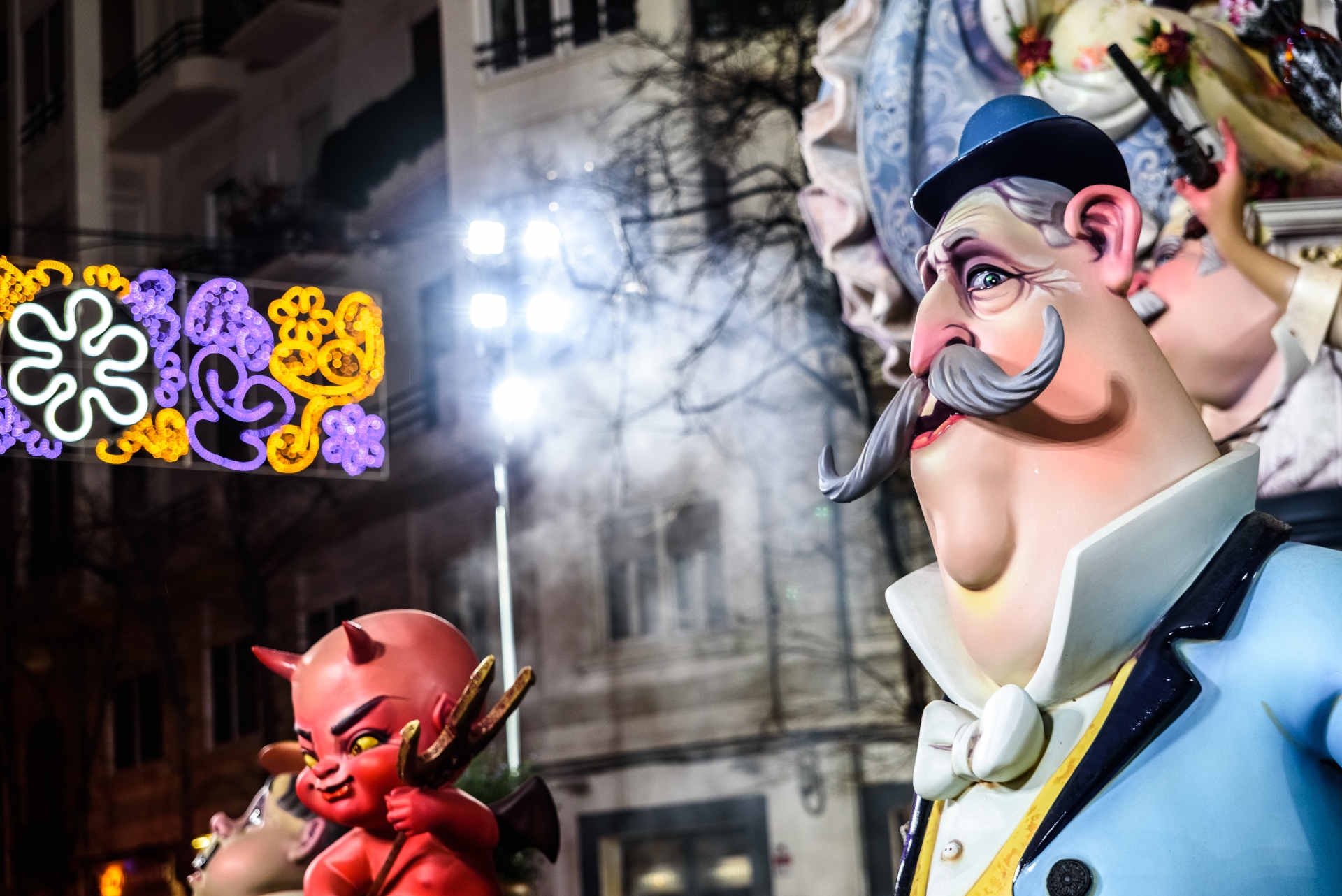
Las Fallas are undoubtedly Valencia’s most iconic festival and one of the most anticipated events of the year. This celebration, held in honor of Saint Joseph, takes place every March and transforms the city into an open-air museum full of monumental sculptures called fallas. These cardboard and wood figures, which can reach impressive heights, depict humorous, social, or political scenes and are created by local artists who dedicate months to their construction.

Besides the display of the fallas, the festival includes the mascletá, a series of fireworks and firecrackers set off daily in Plaza del Ayuntamiento, and the Nit del Foc, a pyrotechnic show that lights up Valencia’s sky. The celebration culminates with the Cremá, where the fallas are burned in a purifying ritual symbolizing renewal. Las Fallas, declared Intangible Cultural Heritage by UNESCO, offer a unique sensory experience.

2. Festival de Les Arts: Music and creativity in an iconic setting (June)

Every year in June, the Festival de Les Arts gathers thousands of music lovers at the City of Arts and Sciences. This event features an eclectic musical lineup blending pop, rock, electronic, and indie genres, attracting both national and international artists. But Les Arts is more than just music: the festival also includes art, gastronomy, and design in a cutting-edge space.

Attendees can enjoy art installations, exhibitions, and a selection of high-quality food trucks, all immersed in the festive atmosphere of the City of Arts. If you want to dive into Valencia’s creative and modern scene, this festival is a must-visit.

3. La Tomatina of Buñol: An explosion of color and fun (August)

Although it takes place in Buñol, a small town about 40 km from Valencia, La Tomatina has become one of the region’s most international events. This unique festival is held on the last Wednesday of August and consists of a tomato fight in which thousands of people from all over the world participate.

La Tomatina is a celebration full of good humor and color, where everyone ends up covered in tomato in an atmosphere of pure fun. In addition to the main event, Buñol organizes activities and concerts that complete the experience. It is important to book in advance as tickets are limited and sell out quickly.

4. Feria de Julio: A month of activities for every taste (July)

The Feria de Julio is one of Valencia’s oldest events, with over a century of history. This celebration began as a way to attract visitors during the summer and has evolved into one of the city’s most important cultural events. Throughout July, Valencia fills with concerts, theatrical performances, markets, and activities for all ages.

One of the highlights of the Feria de Julio is the Batalla de Flores, a colorful parade where decorated floats throw flower petals to the audience in an unforgettable visual spectacle. Fireworks and the traditional Gran Nit de Juliol are also held, a night when museums, monuments, and other cultural spaces open their doors for free.

5. Valencia International Film Festival – Cinema Jove (June)

Cinema Jove, held in June, is one of Valencia’s most important film festivals and focuses mainly on supporting young directors and new audiovisual proposals. This festival, which includes official sections for short and feature films, provides a platform for new talents, showcasing the best of emerging cinema from around the world.

Screenings take place in various city venues, and the festival features parallel activities such as workshops, round tables, and meetings with filmmakers. If you love cinema and want to discover new perspectives, Cinema Jove is the perfect place to explore the talent of future film stars.

6. Community of Valencia Day: A celebration of identity and pride (October 9)

The Community of Valencia Day, celebrated every October 9, commemorates King James I’s entry into the city in 1238, marking the end of Muslim occupation. This holiday has a strong sense of identity for Valencians and is a perfect opportunity to immerse yourself in local culture.

During this day, historical parades, medieval reenactments, and traditional music and dance performances take place. In Plaza del Ayuntamiento, it is common to see the traditional Mocadorá, where couples exchange typical marzipan sweets wrapped in a handkerchief. This celebration offers a window into Valencian traditions and the pride of its people.

7. Valencia Jazz Festival: Rhythm and passion (July)

For jazz lovers, Valencia hosts an annual festival that brings together some of the best national and international jazz musicians. During July, the Valencia Jazz Festival offers concerts at various venues around the city, such as the Palau de la Música and several outdoor stages.

The festival presents a diverse program ranging from classic jazz to contemporary fusions and offers both free and ticketed concerts. It is a great opportunity to enjoy established artists’ talent and discover new proposals in a welcoming and authentic atmosphere.

Valencia’s cultural agenda is as rich and diverse as the city itself. Each event and festival offers a unique experience, a different way to get to know Valencia and its people. From age-old traditions to modern festivals, this city is full of memorable moments waiting to be lived. Which of these events will become your favorite?
Street Art in Valencia: Must-See Murals and Graffiti

Valencia is much more than its famous paella, historic architecture, or Mediterranean beaches. The city has become a true urban canvas where street art flourishes strongly, filling its streets with color, messages, creativity, and culture. From large murals that transform entire facades to graffiti hidden in corners, Valencian street art is an invitation to discover a vibrant and constantly evolving city.

In this post, I will take you on a journey through the must-see murals and graffiti in Valencia—those every urban art lover should know.

1. What is street art and why Valencia?

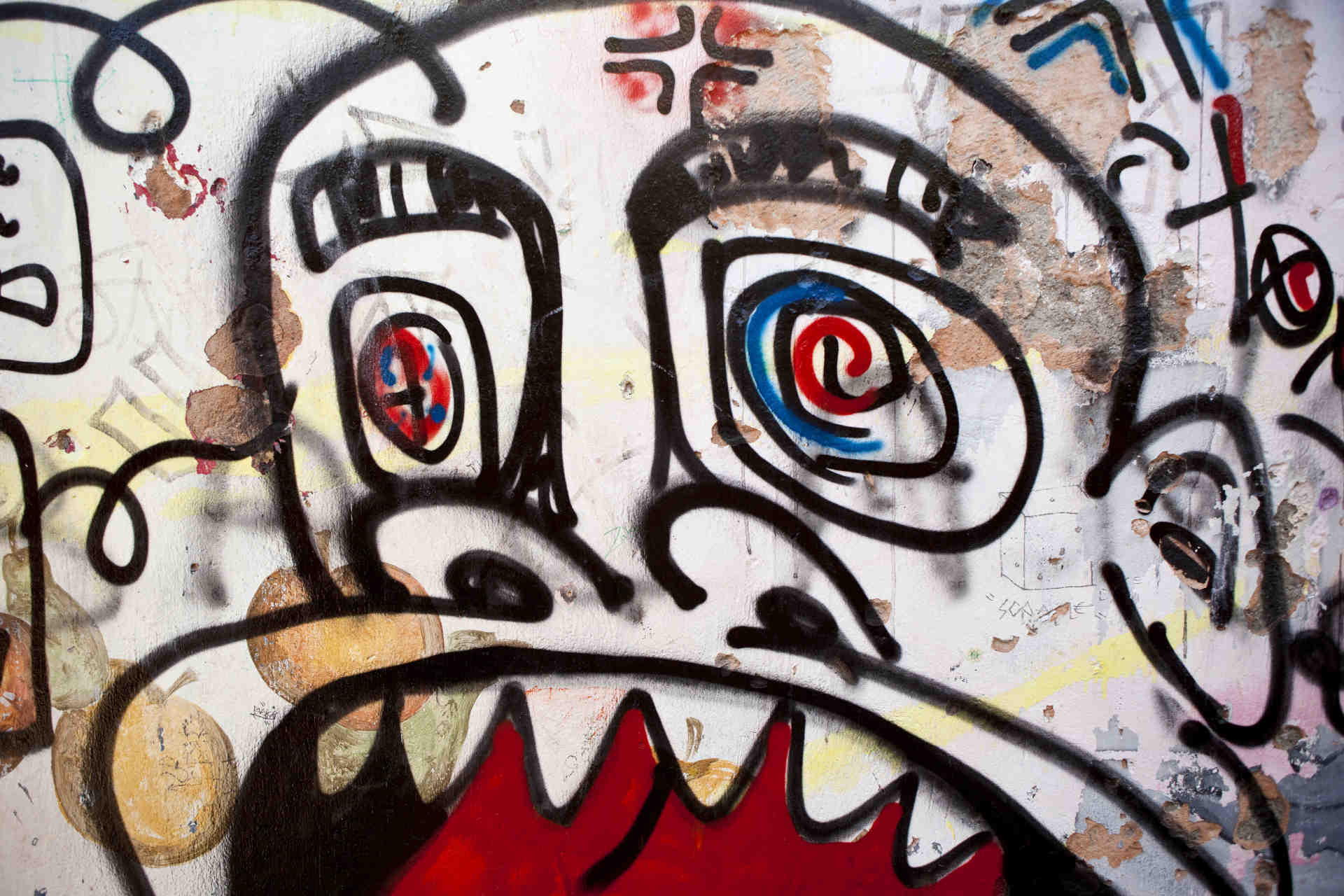
Street art is a form of artistic expression that uses public space to communicate ideas, emotions, or simply decorate the environment. Unlike traditional graffiti, which often focuses on tags or letters, street art includes murals, stencils, stickers, stencil interventions, and other visual techniques.

Valencia, with its mix of tradition and modernity, has embraced this movement enthusiastically. Its vibrant cultural scene, alternative neighborhoods, and the openness of its people to new forms of expression have made street art a true cultural and tourist attraction.

2. Must-see murals in Valencia

El Carmen: the heart of Valencian street art

The El Carmen neighborhood, located in the historic center, is the epicenter of urban art in Valencia. Its narrow streets and aged facades have become canvases for local and international artists.

One of the most emblematic murals is by Escif, a globally recognized Valencian artist. His works often blend local symbols with social critique and a very personal style, featuring figures that look like they stepped out of a fairy tale.

Also noteworthy are the works of Suso33, one of Spain’s graffiti pioneers, who has left his mark with pieces that combine technique and deep messages.

Ruzafa and its explosion of color

Another neighborhood to get lost in is Ruzafa, an area undergoing a cultural transformation where murals not only decorate but revitalize previously forgotten spaces. Here you can find large vibrant murals full of geometric shapes and fantastic characters that surprise anyone.

The artistic diversity is remarkable, with works by emerging artists that bring freshness and dynamism to the city.

3. Graffiti with a message: more than art, a social voice

Graffiti in Valencia is not just aesthetic; many works carry social and political messages, addressing themes such as equality, ecology, or historical memory.

In neighborhoods like Benimaclet or El Cabanyal, urban art is used as a form of resistance and reivindication. For example, it is common to find pieces denouncing real estate speculation or defending Valencian cultural identity.

These graffiti not only decorate but invite reflection, turning streets into open dialogue spaces.

4. Routes to discover street art in Valencia

For those who want to explore Valencia’s street art, there are several routes that cover the key points of this artistic expression:

  • El Carmen Route: This tour lets you see the most classic and representative works. Ideal for those who want to understand the history and evolution of urban art in Valencia.
  • Ruzafa Route: For lovers of color and new trends, this route showcases fresh and contemporary murals.
  • El Cabanyal Route: A neighborhood mixing fishing tradition with committed urban art.

Many of these routes are guided by experts or certified guides who explain the background of each work and the story of its creators, making the experience even richer.

5. Street art and tourism: a new way to discover Valencia

The rise of urban art has changed the way tourists and locals discover Valencia. Beyond traditional museums or monuments, the streets have become open galleries where art is accessible to everyone.

Moreover, street art adds an authentic and alternative touch to the city, allowing it to be known from a different, closer, and more contemporary perspective.

For photography lovers, it is a paradise of colors and shapes, perfect for capturing unique and original images.

6. How to support and respect urban art in Valencia

Although street art is a free expression, it is important to support artists and respect their work. Valencia has legal spaces where artists can express themselves without risk of penalties, but it is also crucial not to damage works or create illegal paint that deteriorates urban heritage.

Participating in workshops, events, or street art tours is an excellent way to contribute to this cultural scene and learn more about its creators.


Valencia is a city that surprises and enchants those who dare to look at its streets with curious eyes. Street art reflects its vibrant soul, creative spirit, and ability to reinvent itself.

If you visit Valencia, don’t miss the chance to explore its neighborhoods, discover its murals, and get lost among graffiti that tell stories. That way, you’ll take home a unique memory of a city that lives and breathes art on every corner.

Want to experience the full street art journey in Valencia?

I invite you to join an exclusive guided tour to discover the best murals and graffiti in the city, accompanied by stories, curiosities, and the vision of a certified guide specialized in urban art.

Don’t miss the opportunity to see Valencia from a different perspective, full of color, culture, and messages.

Contact me now to reserve your place and enjoy a unique experience that will change the way you see the city!

Beaches of Valencia: a complete guide to choosing the best one for your plans

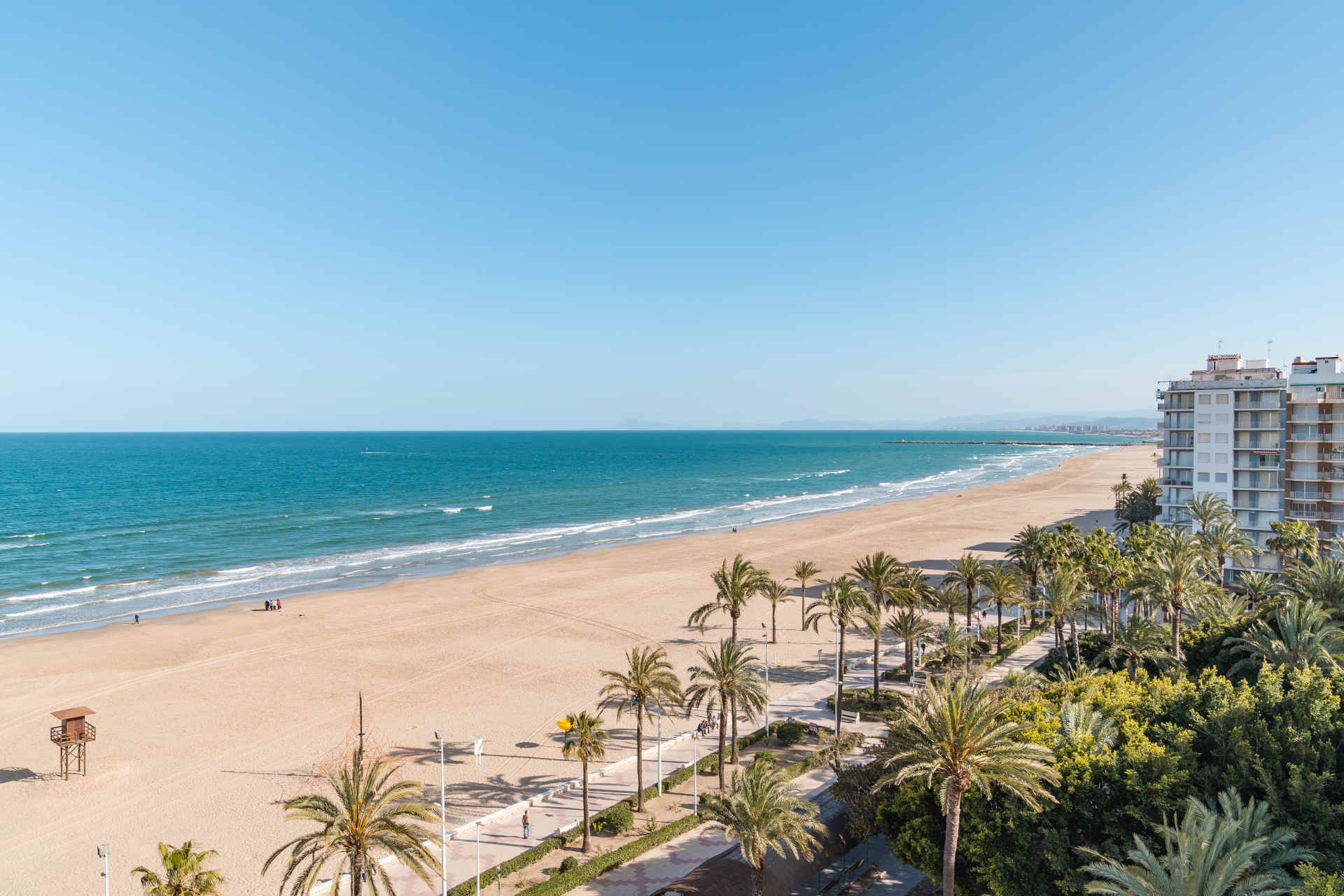
Valencia, a bright and lively city, is famous not only for its millenary history and stunning architecture but also for its beautiful beaches overlooking the Mediterranean Sea. Whether you are looking for a day of relaxation under the sun, a water sports adventure, or a lively atmosphere with bars and restaurants, Valencia’s beaches have something for every visitor. This comprehensive guide will help you choose the beach that best suits your plans to make the most of the Valencian coast.

1. Playa de la Malvarrosa: Valencia’s classic and lively beach

Playa de la Malvarrosa is Valencia’s most famous and busiest beach, located just minutes from the city centre. With its wide stretch of fine, golden sand, it’s perfect for those wanting to enjoy a sunny day without straying too far from the urban heart. Along the seafront promenade, you’ll find plenty of bars, restaurants, and beach bars serving the typical Valencian paella and refreshing cocktails.

This beach is ideal for families, groups of friends, or couples seeking convenience and fun. If you want to combine the beach with social life, Malvarrosa is the place to be.

2. Playa de las Arenas: elegance and seaside nightlife

Adjacent to Malvarrosa, Playa de las Arenas is a little more upscale and frequented by an adult and dynamic crowd. It’s perfect if you want a beach to spend the day and, at sunset, enjoy aperitifs and nights at trendy seaside venues.

The sand here is also fine and the sea clean, but the atmosphere is more chic and cosmopolitan. If you like mixing relaxation with nightlife, this beach will be your ideal choice.

3. Playa de la Patacona: a quieter, less crowded alternative

If you prefer a quieter, more relaxed atmosphere than the central beaches, Playa de la Patacona is perfect for you. Located north of Malvarrosa, this beach stands out for being less crowded and more authentic, with a more local vibe.

Here you can find some beach clubs and small typical restaurants, but without the crowds of the city beaches. It’s ideal for those who enjoy walking along the shore or practising sports like kitesurfing and paddleboarding.

4. Playa de El Saler: wild nature and protected dunes

If you love unspoiled nature, you can’t miss Playa de El Saler, located within the Albufera Natural Park, south of Valencia. This beach is famous for its wide stretches of white sand, protected dunes, and Mediterranean vegetation that create a unique landscape.

Here you will find a wilder and less urbanised environment, ideal for those wanting to escape the city bustle and immerse themselves in lush nature. It’s perfect for hiking lovers, bird watchers, or simply for those seeking a refreshing break away from the crowds.

5. Playa de Pinedo and Playa de la Devesa: the choice for adventurers

These two beaches, situated south of Valencia, are ideal for those who love water sports such as windsurfing and kitesurfing thanks to favourable winds and ideal sea conditions. Playa de Pinedo is also very popular with locals for its simple facilities and relaxed, low-tourist atmosphere.

Playa de la Devesa is even more natural and wild, perfect for those seeking outdoor adventures and direct contact with the Mediterranean environment.

How to choose the perfect beach in Valencia for you?

Choosing the ideal beach depends greatly on what you’re looking for during your visit:

  • If you want convenience, services, and social life, Playa de la Malvarrosa and Playa de las Arenas are the best options.
  • If you prefer a quieter, more authentic atmosphere, Playa de la Patacona is perfect.
  • For nature lovers and hikers, Playa de El Saler and Playa de la Devesa offer breathtaking landscapes and a unique experience.
  • If you’re passionate about water sports, don’t miss Playa de Pinedo and Playa de la Devesa.

Practical tips to make the most of Valencia’s beaches

  • Arrive early: beaches fill up quickly during the summer months, especially on weekends.
  • Bring essentials: although many beaches offer umbrella and sunbed rentals, it’s handy to carry water, sunscreen, and snacks.
  • Respect the environment: Valencia’s beaches are clean and well-maintained; help keep them that way by not leaving rubbish.
  • Water safety: always pay attention to the flags indicating sea conditions and follow lifeguards’ advice.
  • Try local cuisine: seafront restaurants serve traditional dishes with fresh fish, a true delight for the palate.

Want to discover Valencia beyond the beaches?

If you want to experience Valencia like a true local, with an expert guide who will show you not only the beaches but also the city’s hidden gems, I’m here to help! I’m Pierluigi Melis, a licensed tour guide, and I can accompany you on personalised tours to discover the best of Valencia: from history and architecture to typical markets and the most beautiful, lesser-known beaches.

Don’t miss the chance to live Valencia authentically and memorably. Contact me to organise your personalised guided tour, which can also include a relaxing break on the most beautiful beaches according to your tastes and wishes.

Write to me for information and bookings, and get ready to discover Valencia with fresh eyes.

Where to enjoy the best tapas in Valencia: a culinary journey

Valencia is not only about art, history and stunning beaches: it is also a city where food plays a leading role. Among the many delights of Valencian cuisine, tapas hold a special place, becoming a must-experience for anyone visiting the city. Taking a culinary journey through the best tapas in Valencia means immersing yourself in the local culture, discovering authentic flavours, the freshest ingredients and culinary traditions passed down through generations. In this article, I will guide you through the most renowned and lesser-known venues to offer you a complete experience, from classic to modern, traditional to creative. Get ready to delight your palate and experience Valencia also through its most iconic dishes.

What are tapas and why are they a must in Valencia?

Tapas are small plates or food samples shared in company, usually accompanied by a good glass of wine, a refreshing beer or a typical drink such as “Agua de Valencia,” the cocktail made with orange juice, cava and local liquors. The tradition of tapas originated as a way to whet the appetite, but today it has become a true culinary art. In Valencia, tapas are an opportunity to socialise, try many different flavours and discover typical ingredients such as jamón ibérico, cod, Mediterranean anchovies, seasonal vegetables and, naturally, saffron, a key ingredient in the famous paella.

Tapas tour: must-visit spots

1. Mercado Central: the heart of Valencian cuisine

Mercado Central is the perfect place to start your tapas tour. Here you can taste the freshest products and typical dishes prepared on the spot. At the many stalls and small bars inside the market, try the famous “clóchinas” (typical Valencian mussels), “esgarraet” (pepper and cod salad) and “fartons” with horchata for a sweet touch. The lively and authentic atmosphere of the market makes the visit a multisensory experience involving sight, smell and taste.

2. Barrio del Carmen: traditional tapas in a historic setting

Barrio del Carmen, with its medieval alleys and charming architecture, hosts many bars and historic taverns where you can enjoy traditional tapas. Here you can try “patatas bravas” (fried potatoes with spicy sauce), “pulpo a la gallega” (octopus with paprika and olive oil) and “jamón croquetas,” a timeless classic. I recommend stopping at historic venues like “Casa Montaña” or “Taberna Alkázar” for a journey through time and taste.

3. Ruzafa: the hipster quarter with creative tapas

If you want to try something innovative, the Ruzafa neighbourhood is the right destination. Here young chefs experiment with new combinations and presentations while maintaining a strong connection to local traditions. Bars and restaurants in Ruzafa offer gourmet tapas such as “tuna tartare with guacamole,” “mini lamb burgers with tzatziki sauce” or “shrimp ceviche with mango.” A more contemporary and international experience, perfect for those looking for a mix of culture and culinary innovation.

4. Malvarrosa and the coast: seafood tapas with Mediterranean views

If you want to combine tapas with a seaside stroll, I suggest heading to the Malvarrosa area. Here many fish restaurants serve tapas with the freshest products caught from the Mediterranean: “boquerones en vinagre” (marinated anchovies), “calamares a la romana” and “gambas al ajillo.” Eating tapas on the coast, with the sound of the waves in the background, offers an unforgettable experience that combines flavours and landscapes.

5. Sweet tapas: the perfect finish

Don’t forget to try sweet tapas too! Among the local specialties are “turrón” (almond-based sweet), “arroz con leche” (rice pudding with cinnamon) and “pastel de boniato” (sweet potato cake). Many bars offer sweet tastings in tapas format, perfect for a delicious end to your Valencian culinary journey.

Tips for an unforgettable tapas experience

Take it slow and share: tapas are made to be shared, so order several dishes and taste with friends or family. Pair with typical drinks: try regional wine, local cerveza (beer) or Agua de Valencia. Ask locals for recommendations: often bars have daily specials or secret off-menu dishes. Book if you want to visit very popular venues: especially at weekends, the most renowned places can be full.

Want to experience Valencia through its food?

If you want to discover the best tapas spots and savour true Valencian cuisine, I can accompany you on a personalised culinary tour. I’m Pierluigi Melis, a licensed tour guide, and I offer you the chance to experience Valencia also through the authentic flavours and atmospheres of its most characteristic neighbourhoods.

Contact me for a guided gastronomic tour in Valencia!

Don’t miss the chance to discover Valencia through its unique flavours. Contact me to organise a tailor-made tour, where you can taste the best tapas and explore hidden corners of the city, all accompanied by an expert guide. Write to me for information and bookings: it will be an unforgettable journey into the taste and culture of Valencia!

Discovering historic Valencia: the must-see monuments

Valencia is a city with a millennia-old history reflected in its monuments, squares, and streets of the historic center. A journey to the heart of the city allows you to immerse yourself in different eras, from the Roman period to the Baroque, passing through the Middle Ages and the Renaissance. This route through its most significant architectures offers a complete experience for those who truly want to get to know Valencia.

Central Market, a jewel of modernist architecture

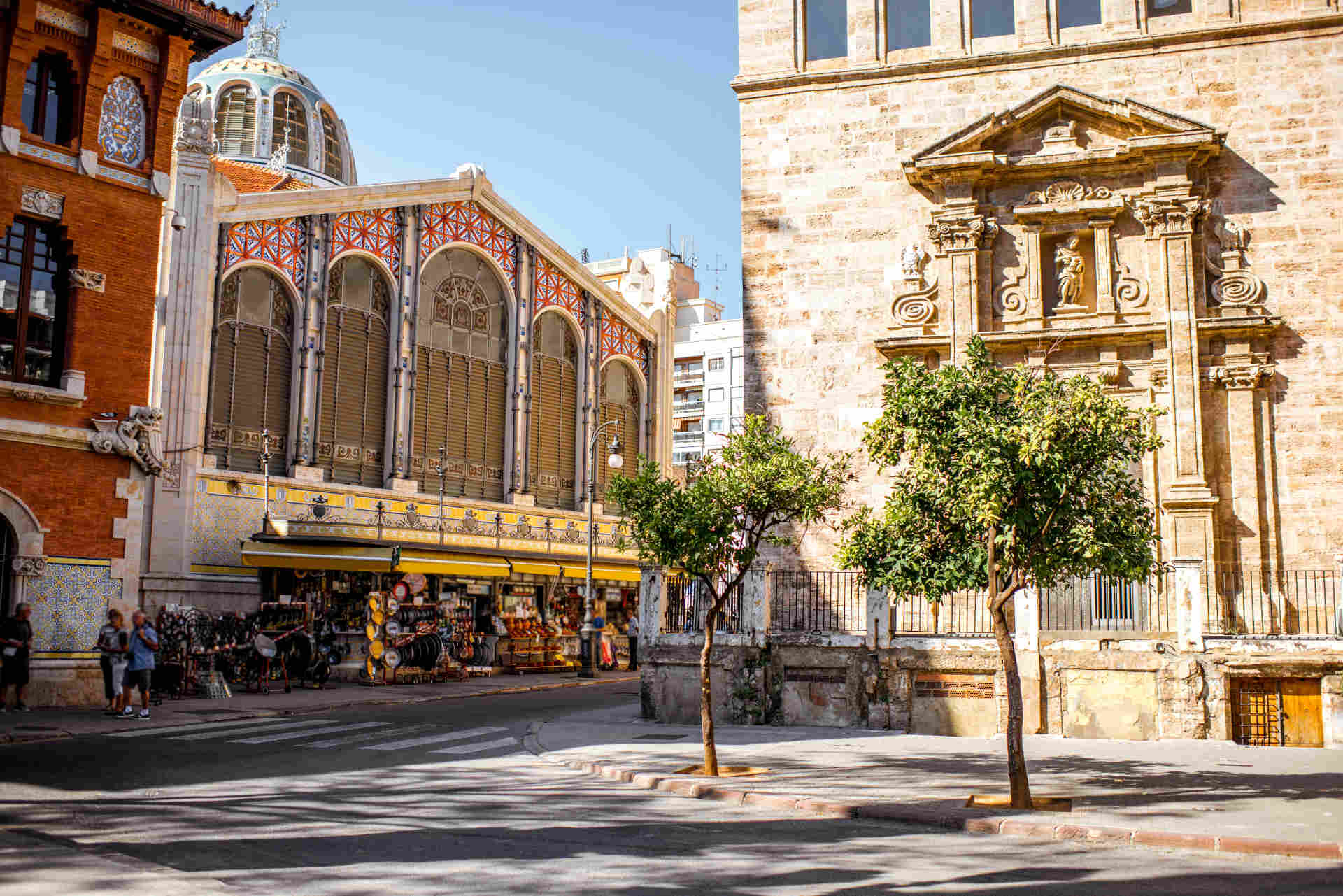
Located in Plaza Ciudad de Brujas, the Central Market is a stunning building constructed between 1914 and 1928 in the modernist style. Its large stained glass windows, iron columns, and ribbed vaults create a bright and lively atmosphere. The market hosts a wide variety of fresh products: fish, meat, fruit, vegetables, spices, and local specialties, making it a perfect place to discover the authentic flavors of Valencia.

Church of Santos Juanes, an example of Valencian Baroque

The Church of Santos Juanes is located in Plaza de la Reina and is an example of Baroque art. Built in the 14th century and renovated after a fire in the 17th century, it features a richly decorated facade with statues and frescoes. Inside, the coffered ceiling and carved altars stand out, testimony to the city’s great artistic tradition.

Valencia Cathedral and the El Miguelete bell tower

Also in Plaza de la Reina is Valencia Cathedral, a building that blends different styles: Gothic, Romanesque, Baroque, and Renaissance. According to tradition, it houses the Holy Grail. Climbing the 51-meter-high El Miguelete bell tower offers a panoramic view encompassing the city and the sea—an experience not to be missed.

La Lonja de la Seda, a World Heritage site

Near the Central Market is La Lonja de la Seda, a civil Gothic building constructed between the 15th and 16th centuries. It was the center of the silk trade and a symbol of medieval Valencian prosperity. The Trading Hall, with its twisted columns and ribbed vaults, is a true architectural marvel, ideal for immersing yourself in Valencia’s mercantile history.

Torres de Serranos and Torres de Quart, remnants of the medieval walls

The Torres de Serranos, dating back to the 14th century, were the main northern entrance and are among the best-preserved towers in Spain. The Torres de Quart, to the west, still bear the marks of bullets from the Spanish War of Succession. Both offer the opportunity to climb up and admire a striking view of the historic center.

Plaza de la Virgen and the Turia Fountain

Plaza de la Virgen is one of the most charming squares in Valencia, home to the Basilica of the Virgin of the Forsaken, dedicated to the city’s patron saint. Here is also the Turia Fountain, which recalls the ancient river that once ran through the city. This square is a perfect place to enjoy the historical and social atmosphere of Valencia.


If you want to deepen your knowledge of these monuments and experience an engaging visit full of anecdotes, I can help you organize a personalized guided tour. Contact me to discover historic Valencia in a unique and authentic way.

Five secret corners of Valencia only locals know

Valencia is a city that enchants with its vibrancy, architectural beauty, and cultural richness, but behind the most popular tourist spots lie small hidden treasures known only to the most experienced Valencians. If you want to discover an authentic and less beaten side of the city, I’ll take you on a journey through five secret corners of Valencia, where history, nature, and tranquility reign supreme. Among these, the wonderful Monforte Garden cannot be missed, a little-known green oasis of extraordinary beauty.

1. Monforte Garden: a romantic and hidden corner

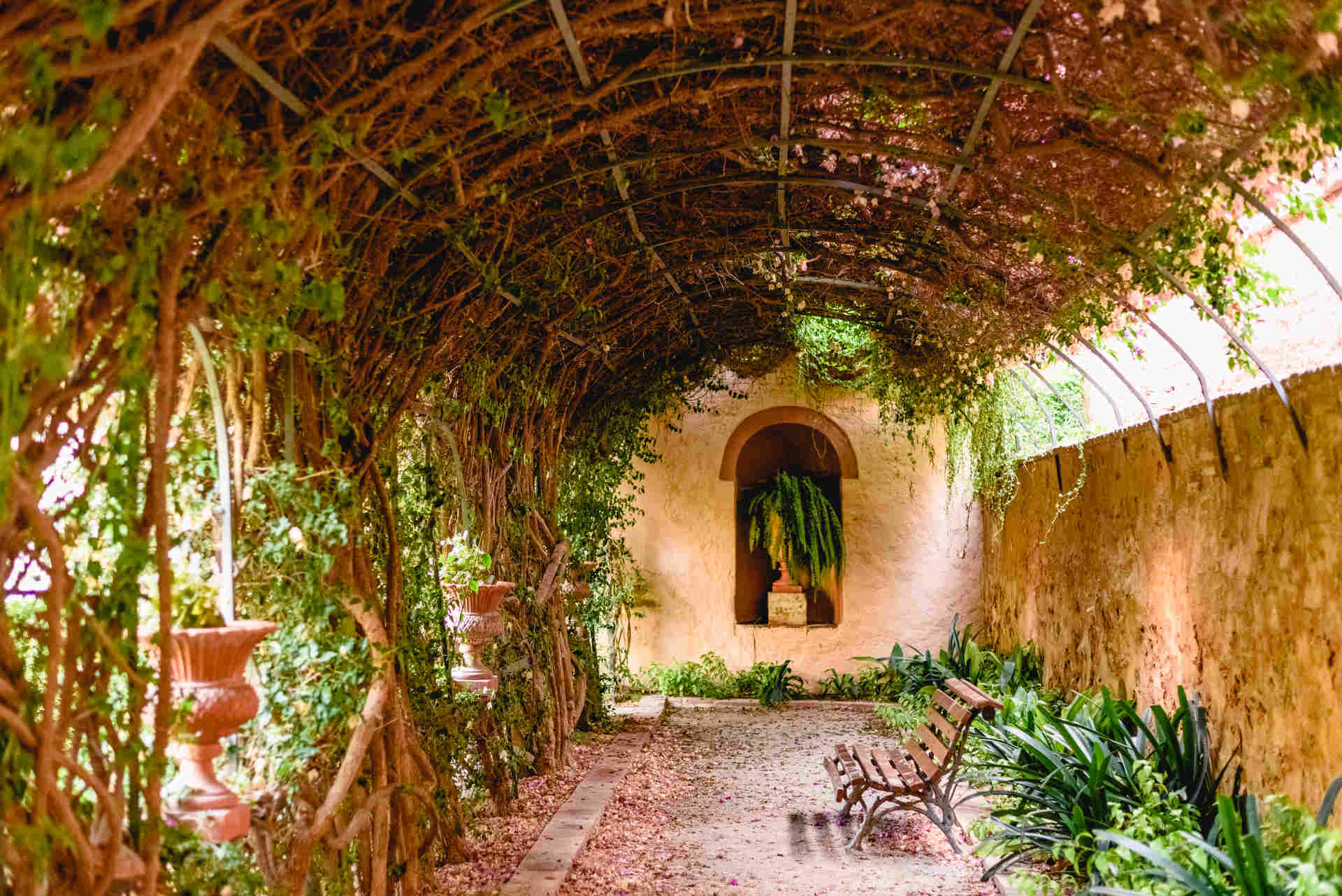
Just a few steps from the beating heart of Valencia, but just outside the historic center, lies Monforte Garden, a peaceful and beautiful spot many tourists don’t know about. This romantic garden in neoclassical style, built in the 19th century, is a true hidden treasure that Valencians love to visit to escape the city’s hustle and bustle.

Monforte Garden stands out for its perfect harmony between nature and art: well-kept flowerbeds, elegant statues, stone fountains, and shaded paths create a fairy-tale atmosphere. Walking along its trails, you can discover fascinating details, such as a small artificial grotto and a viewpoint offering a privileged view over the rooftops of the old city.

Being outside the busiest tourist circuit, this garden offers a peaceful refuge ideal for a relaxing break, a romantic stroll, or some reading time outdoors. Monforte Garden is a true secret oasis that reveals a different and more intimate face of Valencia.

2. The Albufera of Valencia: a little-touristed natural paradise

If you want to discover a corner of untouched nature just a few kilometers from the city, the Albufera is a perfect choice. This coastal lagoon, surrounded by rice fields and marshes, is a protected natural reserve where many species of migratory birds live.

Many tourists limit themselves to visiting the Oceanographic Park or the beaches, but few venture into the Albufera, an ideal place for nature photography lovers, birdwatchers, or simply those who enjoy walking immersed in greenery. A boat trip on a traditional “perca” through the calm waters offers an authentic and evocative experience, allowing close observation of the local flora and fauna.

In the small villages around the lake, such as El Palmar, you can also taste the famous Valencian paella prepared following the most authentic recipes — an experience not to be missed if you want to live Valencia with the eyes and palate of its inhabitants.

3. El Carmen neighborhood: urban art and alternative vibes

The El Carmen neighborhood is certainly one of the liveliest areas of Valencia, but walking beyond the main streets you can discover unusual and less frequented corners where urban art takes over.

Hidden alleys host murals, art installations, and colorful graffiti created by local and international artists. Here murals are not just decorations but tell stories, traditions, and social themes of the city.

Walking through these streets, you can feel the creative and rebellious energy of a young, dynamic Valencia open to new forms of expression. Away from the crowds, you can find original bars, independent bookstores, and small cultural spaces where alternative events and concerts are organized.

4. Colon Market: a modernist gem

Just a few steps from the center, but often overlooked by visitors, Colon Market is a fascinating place that combines gastronomy and architecture. Built in the early 20th century, this covered market is a masterpiece of Valencian modernist style, with its iron structures, stained glass, and artistic details.

Today the market has been transformed into an elegant space with cafes, restaurants, shops selling local and artisanal products, while preserving its historic and refined atmosphere. It’s the ideal spot for a break, tasting quality tapas, and observing Valencian daily life away from the traditional tourist circuits.

In the evening, Colon Market becomes a meeting place for young people and families who enjoy an aperitif or dinner outdoors in its inner square, surrounded by a unique environment.

5. Santo Domingo Convent: history and silence in the city center

Among the oldest and least known churches in Valencia is the Santo Domingo Convent, a historic building that houses a hidden cloister and a small museum with sacred art.

Entering this convent means immersing yourself in an atmosphere of quiet and spirituality, away from the noise of the surrounding streets. The cloister, with its elegant arches and inner garden, is a perfect place for a meditative pause or to reflect in calm.

This corner often remains off the tourist paths, but it is a place of great interest for those who love history, art, and less frequented sites that tell the deepest roots of Valencia.


Valencia is full of hidden corners waiting to be discovered, and I am here to guide you on this unique adventure to uncover the city’s most authentic side. If you want personalized advice, exclusive itineraries, or simply to discover together the best-kept secrets of Valencia, don’t hesitate to contact me! Write to me and let’s start planning your tailor-made trip.